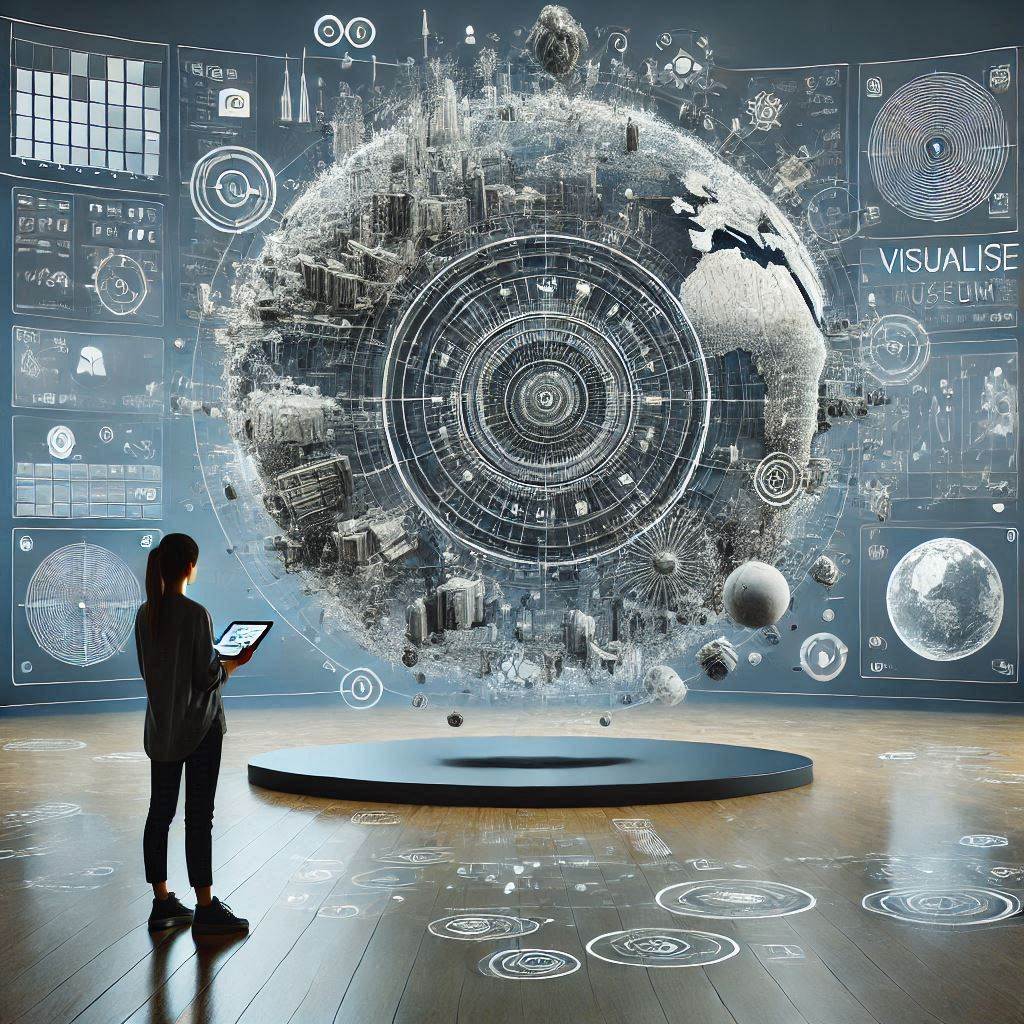
Museums have long been revered as not-for-profit, permanent institutions dedicated to the service of society. They research, collect, conserve, interpret, and exhibit tangible and intangible heritage, fostering diversity and sustainability while operating ethically and inclusively. However, However, by being viewed as three-dimensional, interactive mediums of communication, museums have the potential to rejuvenate and transform their conventional roles into dynamic sociocultural spaces that align with the evolving needs of the modern world.
Education vs Communication: Shifting the Focus
Education involves a structured learning process whereas Communication is the process of exchanging information, ideas, and feelings between individuals or groups. Museums primarily facilitate communication. This includes communication between visitors and the exhibits, between guides and visitors, and between visitors themselves. The learning, if at all happens , happens within these interactions. Rather than focusing on the predetermined outcomes of learning, the emphasis should be on the enhancement of facilitation of the communication.
Three Dimensional Interactive Medium: Learning Through Interaction
Museums as communication mediums are inherently interactive and three-dimensional. The learning that takes place is a result of these interactions, which the museum environment facilitates.
Museums can uniquely combine visual, auditory, and tactile elements to create a holistic sensory experience, engaging with the three dimensions of space in a way unmatched by other mediums. Unlike other communication channels such as print and audio-visual media, museums offer a three-dimensional space where communication designers can work with the environment, architecture, artifacts, lighting, and other elements to enhance communication.
The three-dimensional aspect allows for a unique and immersive experience. Visitors can physically navigate through the space, engaging with exhibits from multiple angles and perspectives. This spatial interaction adds depth to the communication process, making it more impactful and memorable.
Elevating Museums to a Dynamic Communication Medium
By embracing museum as a dynamic communication medium, museums elevate their traditional functions of research, collection, and interpretation of cultural heritage. They create new opportunities for engaging in dynamic, interactive dialogue about a wide range of topics within a vibrant society. They become living, breathing entities that foster meaningful conversations and connections. They are places where ideas come to life, where knowledge is shared, and where the public can actively participate in the discourse. Museums as interactive dynamic mediums of communication have the potential to transform the way we engage with culture, heritage, and each other.
 Museophile
Leave a comment